

PIETRO CHIESA E FONTANA ARTE
-
- Pietro Chiesa
-
- The chandelier in the Dinner room
-
- The chandelier in the Dinner room
-
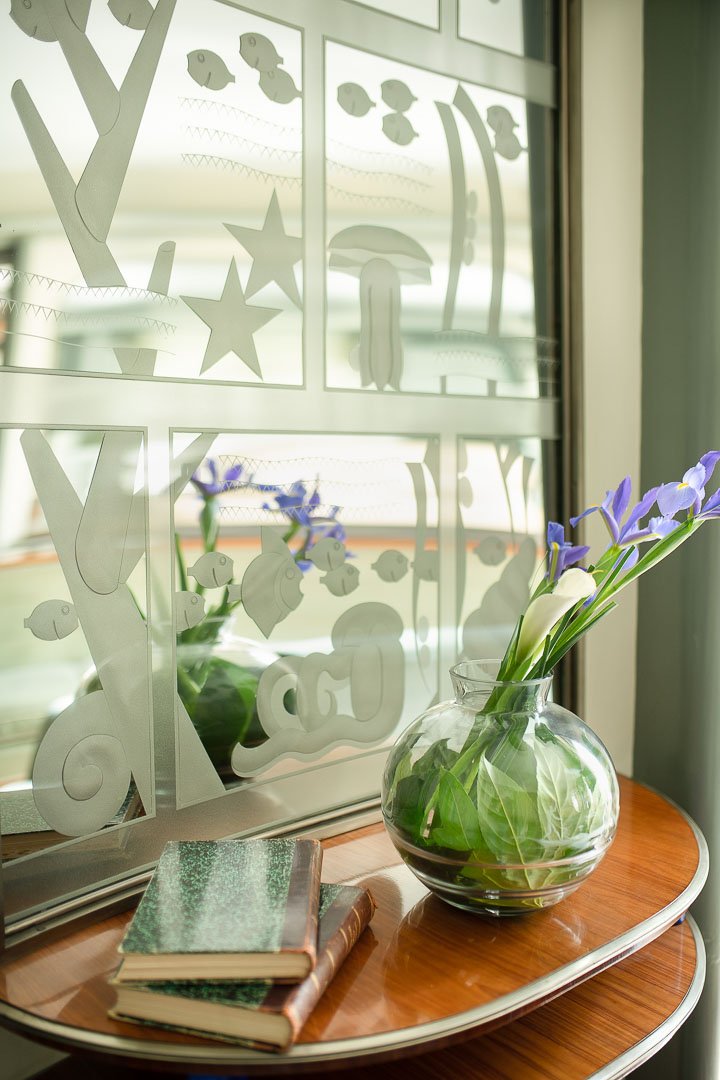
- The 4 engraved mirrors in the green formal salon
-
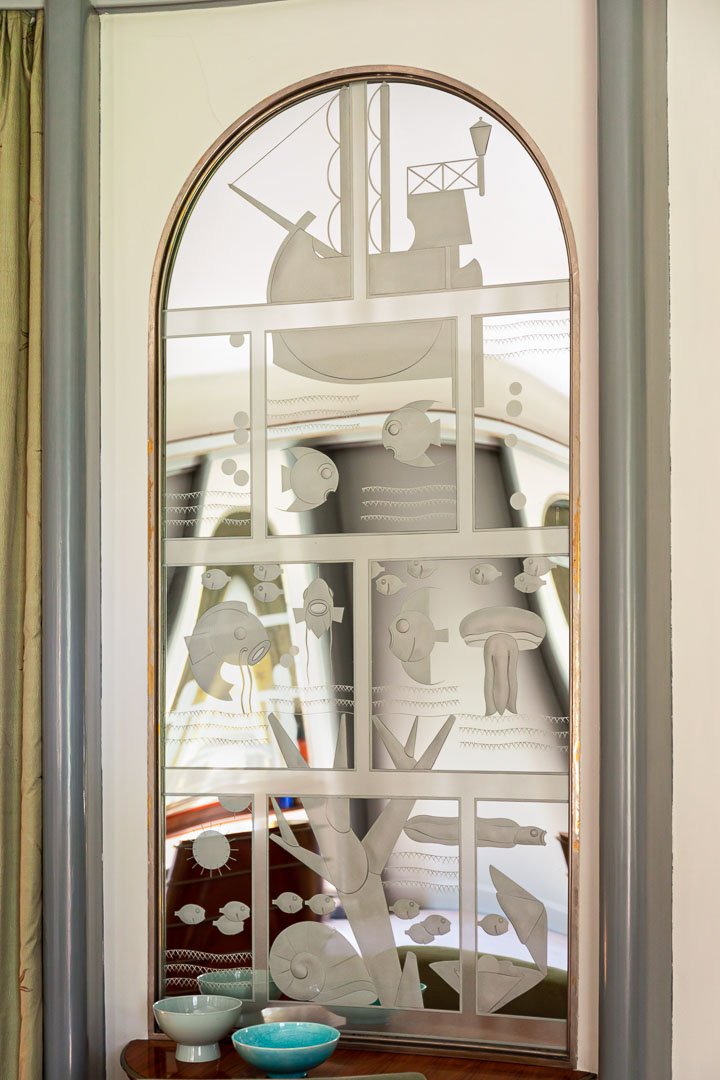
- The 4 engraved mirrors in the green formal salon
-
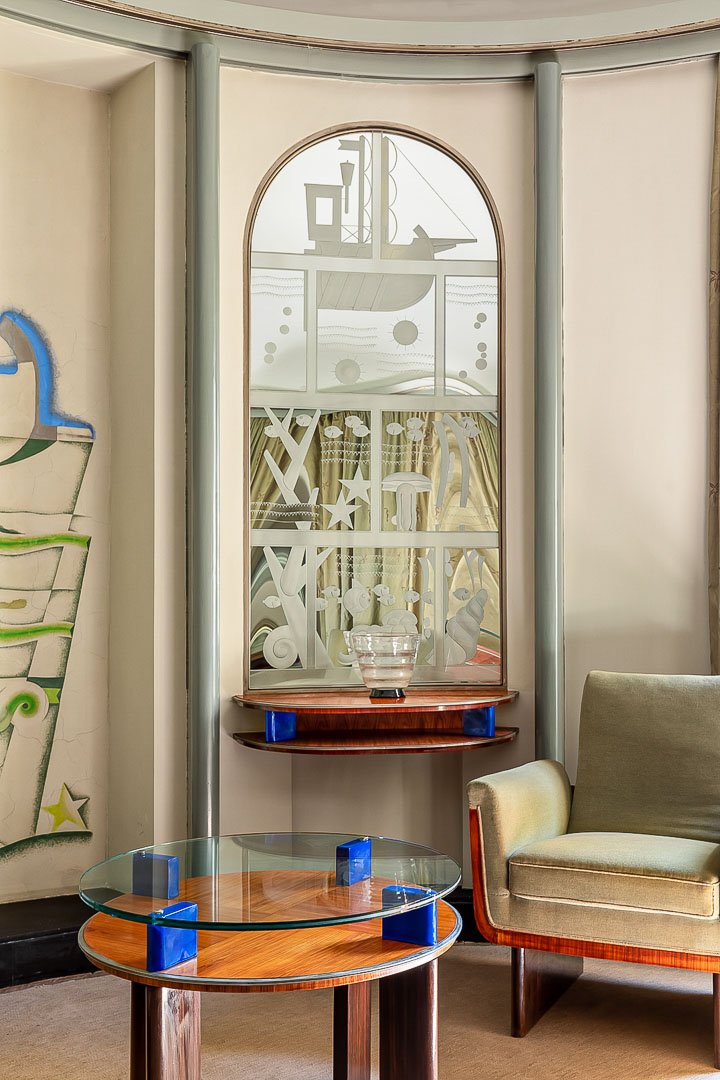
- The 4 engraved mirrors in the green formal salon
-
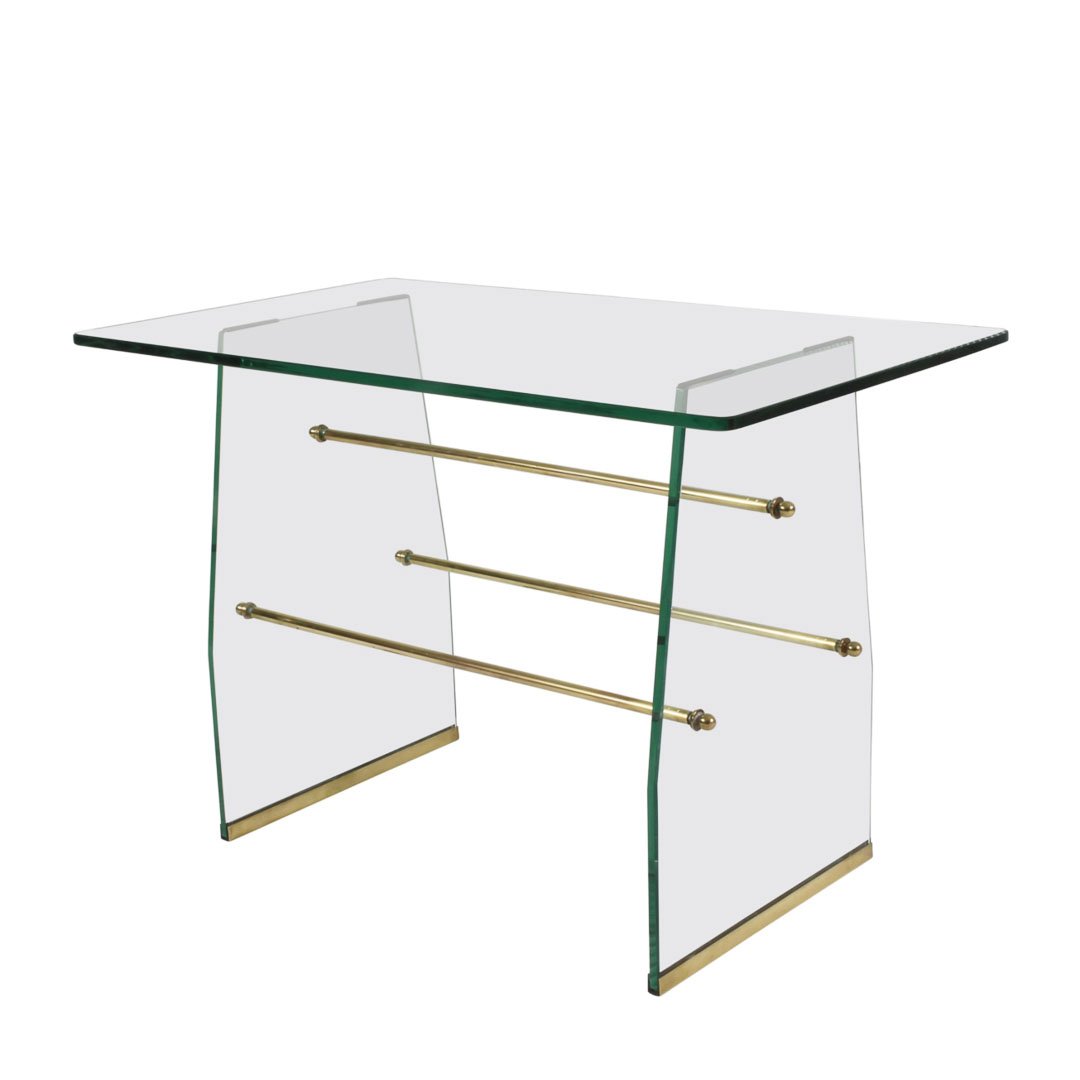
- Glass Table
-
- Glass Table
-
- Glass Table
-
- Chandelier
-
- Fontana Arte
-
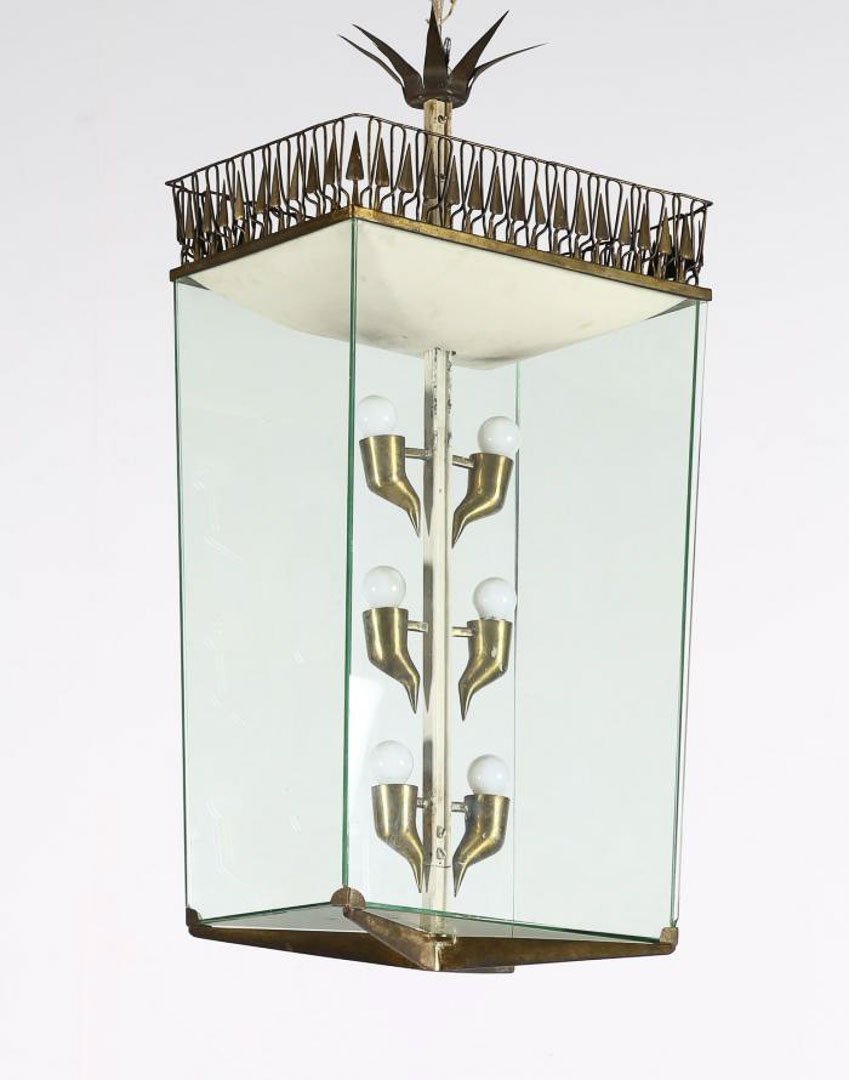
- Chandelier
-
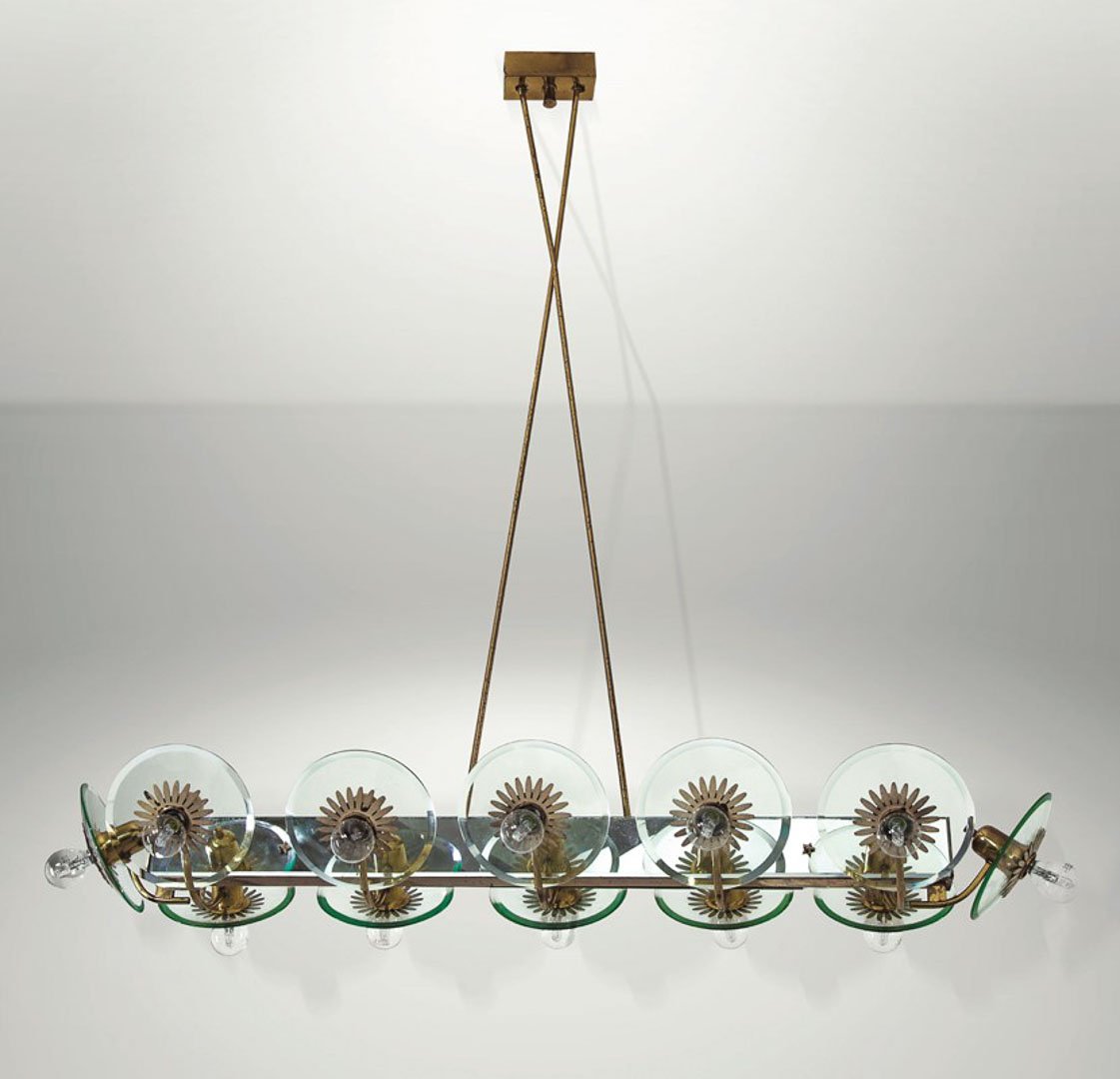
- Chandelier
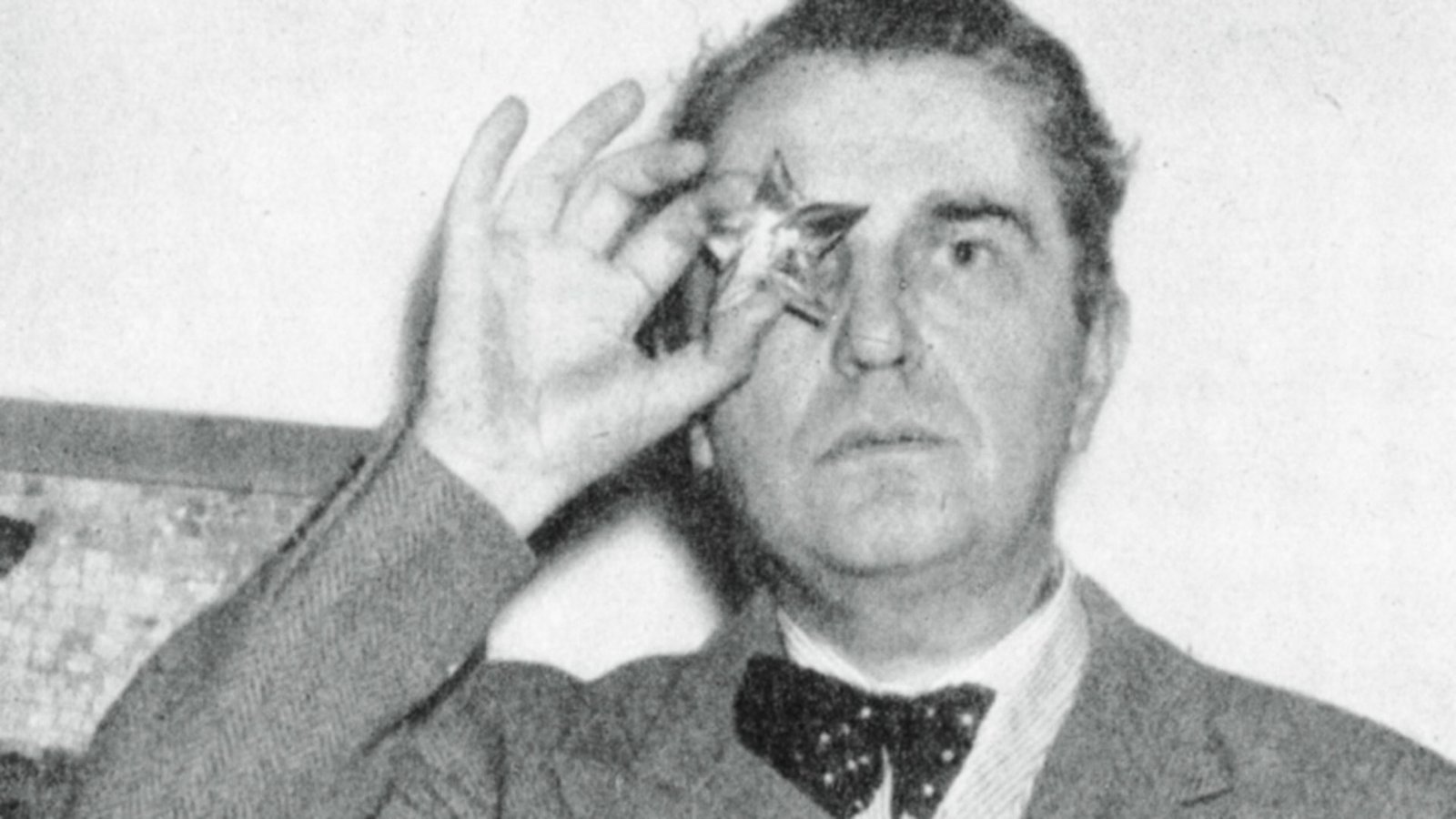
Pietro Chiesa, born in Milan in 1892, is known as one of the most innovative figures in the panorama of Italian decorative arts of the first half of the 20th century. After his studies at the Accademia delle Belle Arti in Brera and his apprenticeship, in 1921 he opened his own workshop with the name "Bottega di Pietro Chiesa".
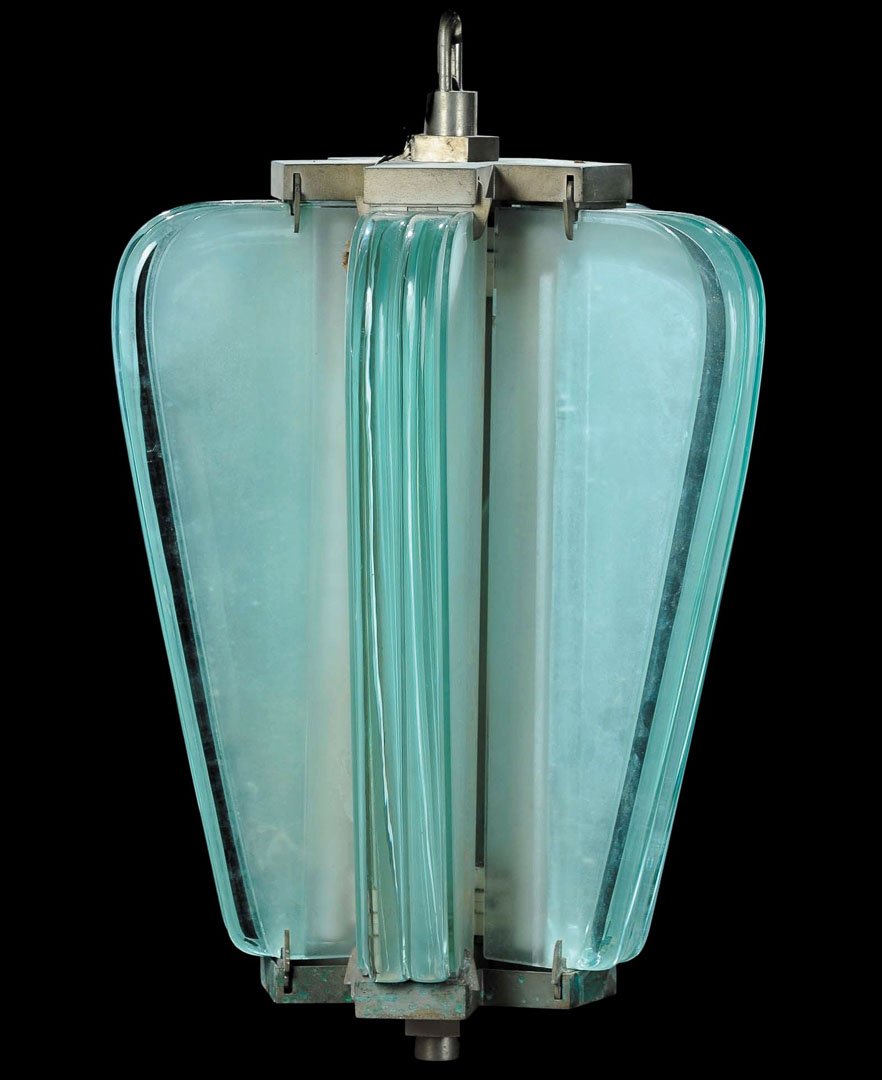
He was responsible for publicising the Italian glass-making art internationally (in 1925 he exhibited in Paris at the Exposition Internationale des Arts Décoratifs et Industriels Modernes), with his furniture but above all thanks to his lamps that seem to evoke abstract works of art. He is a forerunner of the times for the choice of pure and essential forms but rich in character, those that will later connote industrial design. His work combines extreme modernity and high technical ability.
He designed windows for the Trieste Stock Exchange, for the motorboat Victoria and the ocean liner Conte di Savoia. In 1932 he was appointed artistic director of Fontana Arte, the company founded by Gio Ponti and Luigi Fontana specialized in glass processing and lighting. In those years Fontana was the leader in the field of glass design and famous for its stained-glass windows, to be seen in the Duomo of Milan and in the most important churches worldwide.
Right from the start, Fontana Arte was one of the leading companies in Italian Novecento design, known for glass and curved crystal processing, lighting and furniture, opening its own shops in Via Montenapoleone in Milan and Via Condotti in Rome.
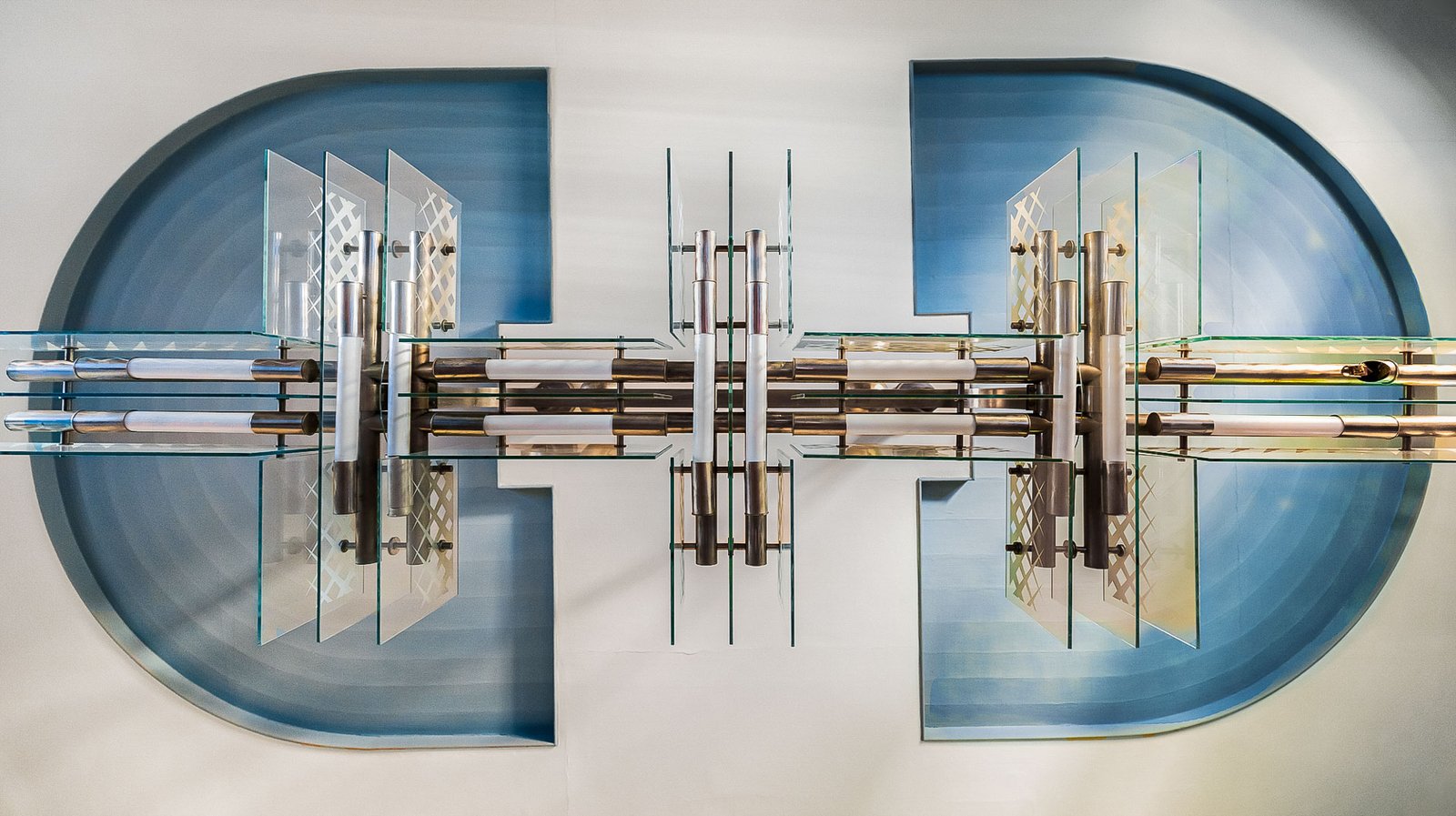
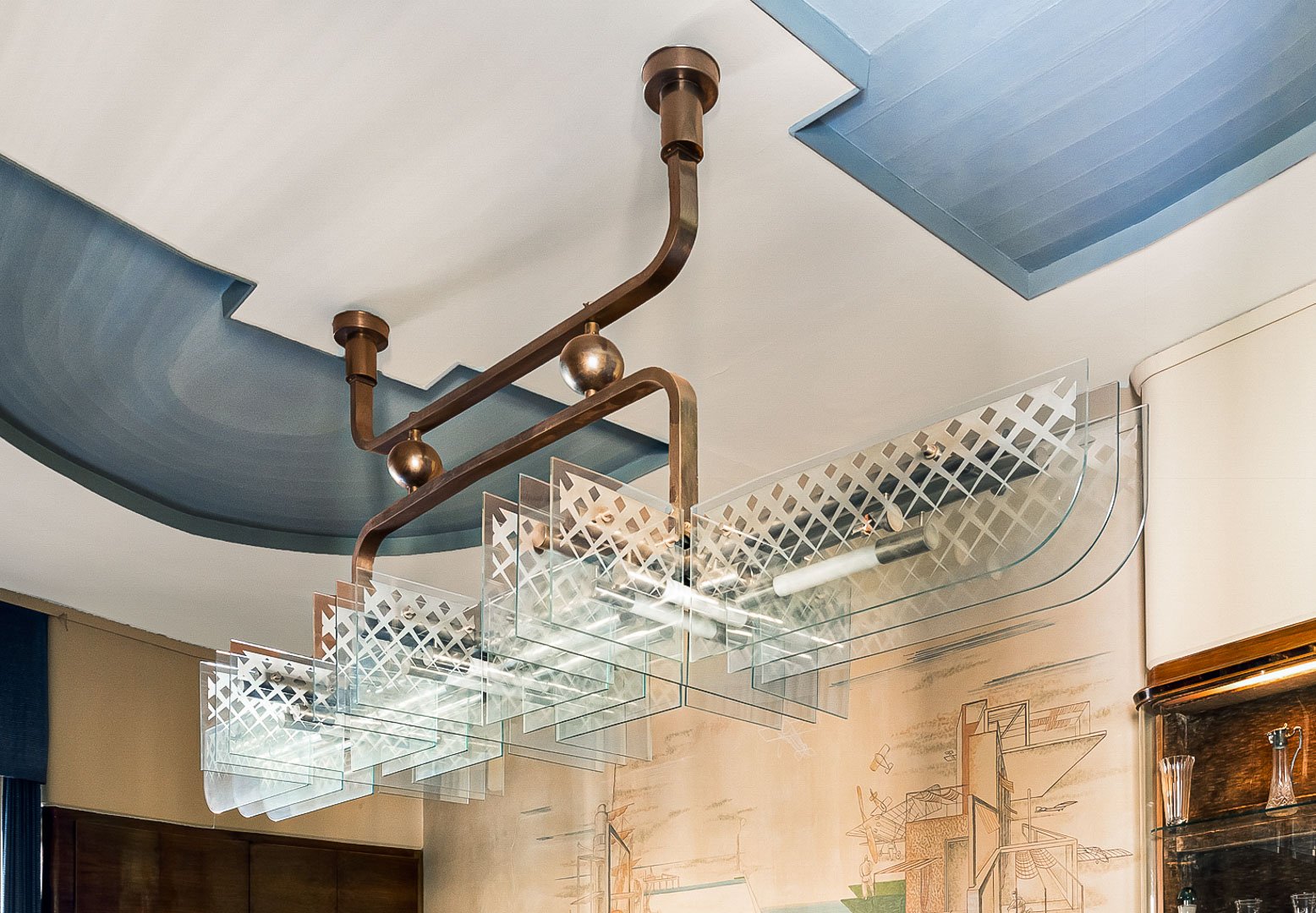
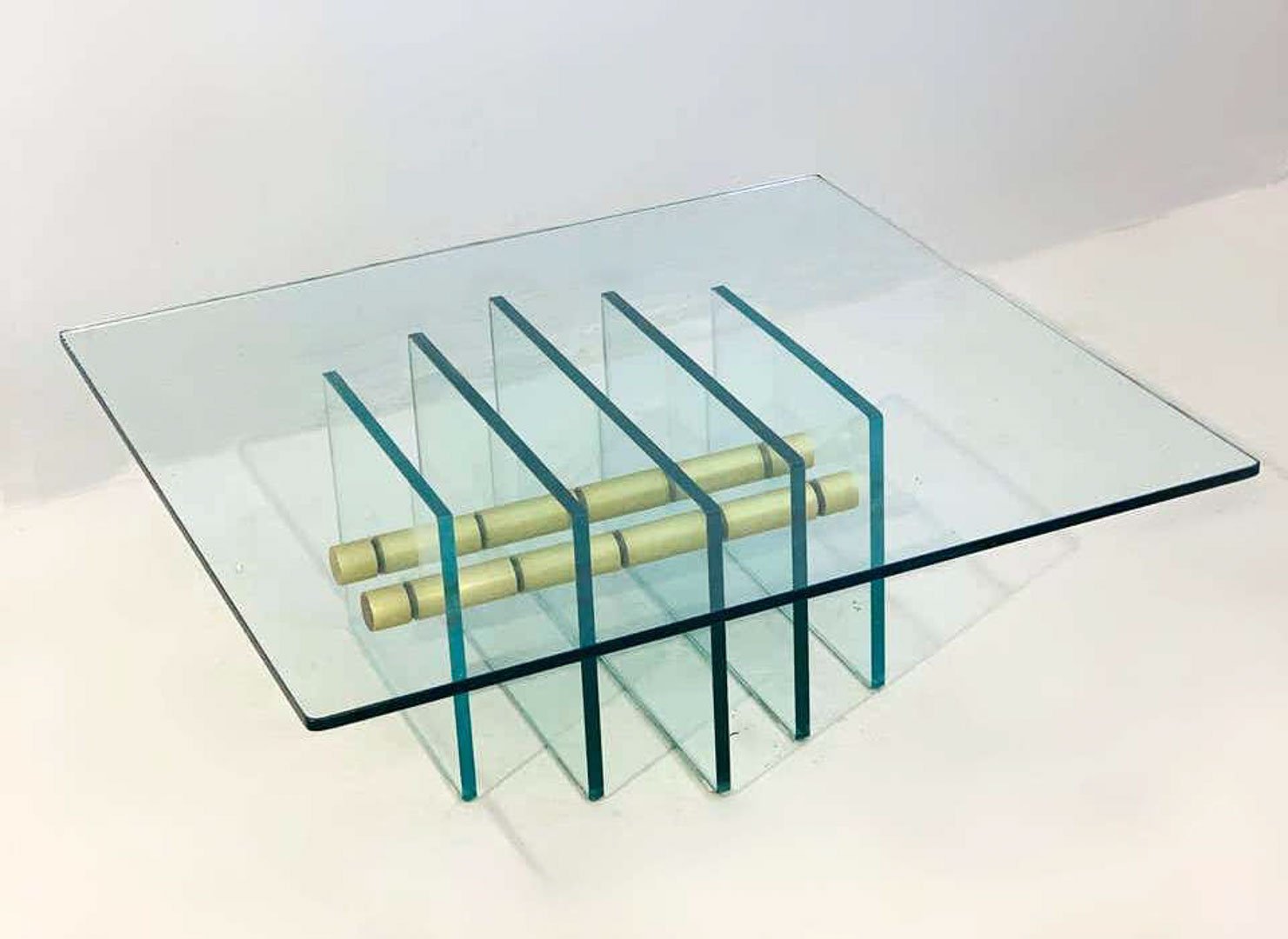
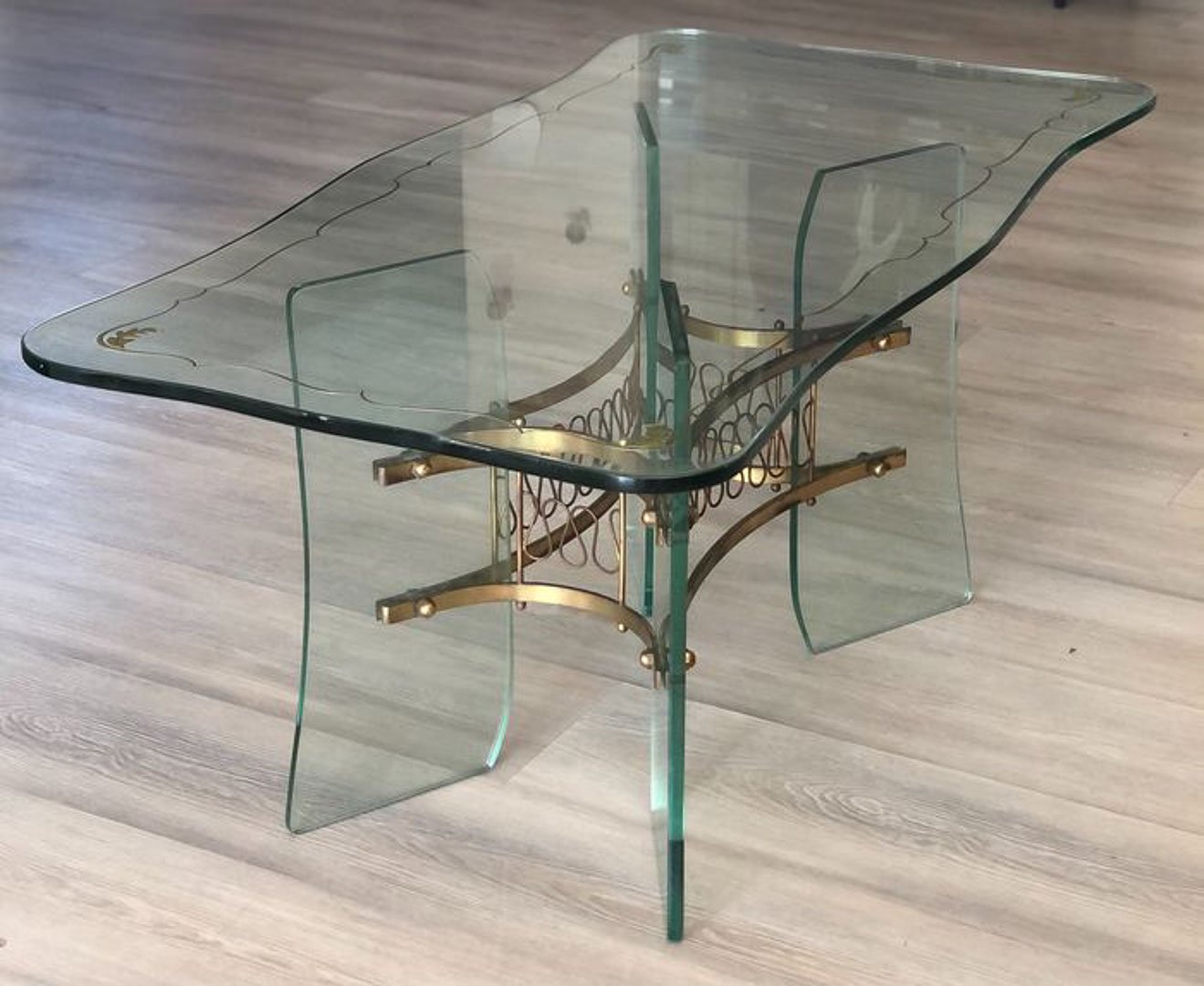
As artistic director of the company, Pietro Chiesa had always been fascinated by glass. In his hands it became a fluid, ductile and versatile material, opening possibilities for interior design and using different techniques, including cutting, grinding and sharpening, to design a range of furniture, lamps and objects in which glass is protagonist. The role of Artistic Director in Fontana Arte enabled Pietro Chiesa to express all his creativity, designing over a thousand different objects (furniture, tables, lamps, stained-glass windows, art objects, etc.).
Among his masterpieces, which have entered the history of design and are still produced today, are the Fontana table (1932) a single band of bent glass, the Cartoccio vase (1932) and the lacquered brass Luminator lamp (1933).
In 1944 the factory of Fontana Arte was bombed and completely destroyed. The company was sold and Pietro Chiesa died in Paris in 1948.