

NAPOLEONE MARTINUZZI E VENNINI
-
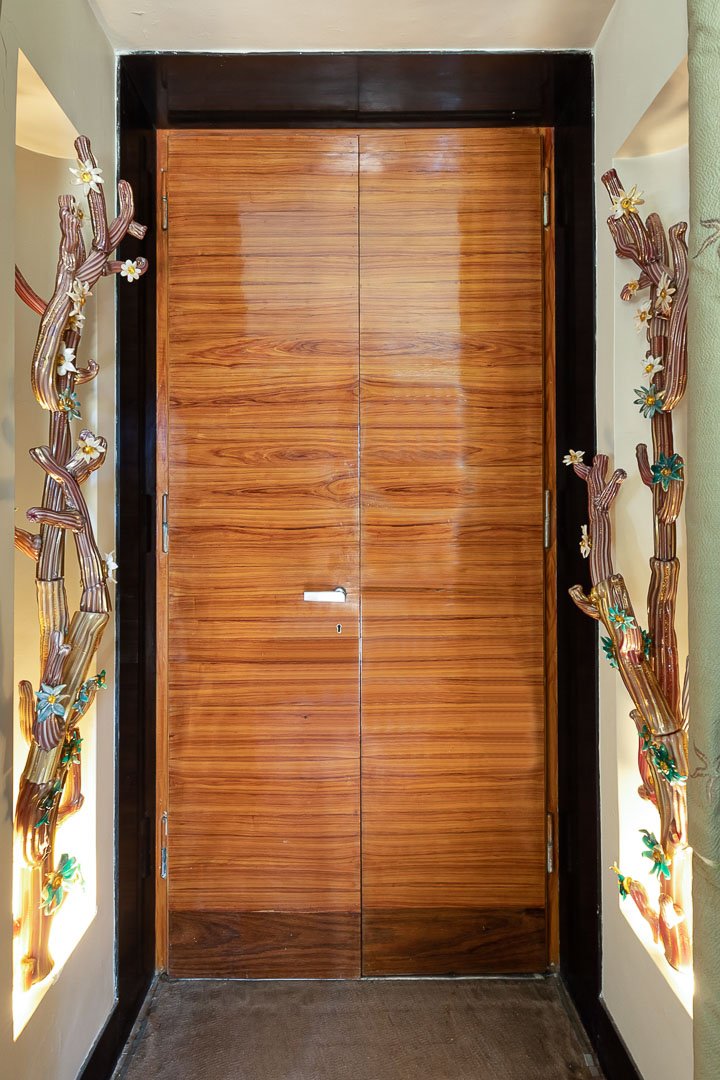
- The apartment’s two Cactus plants
-
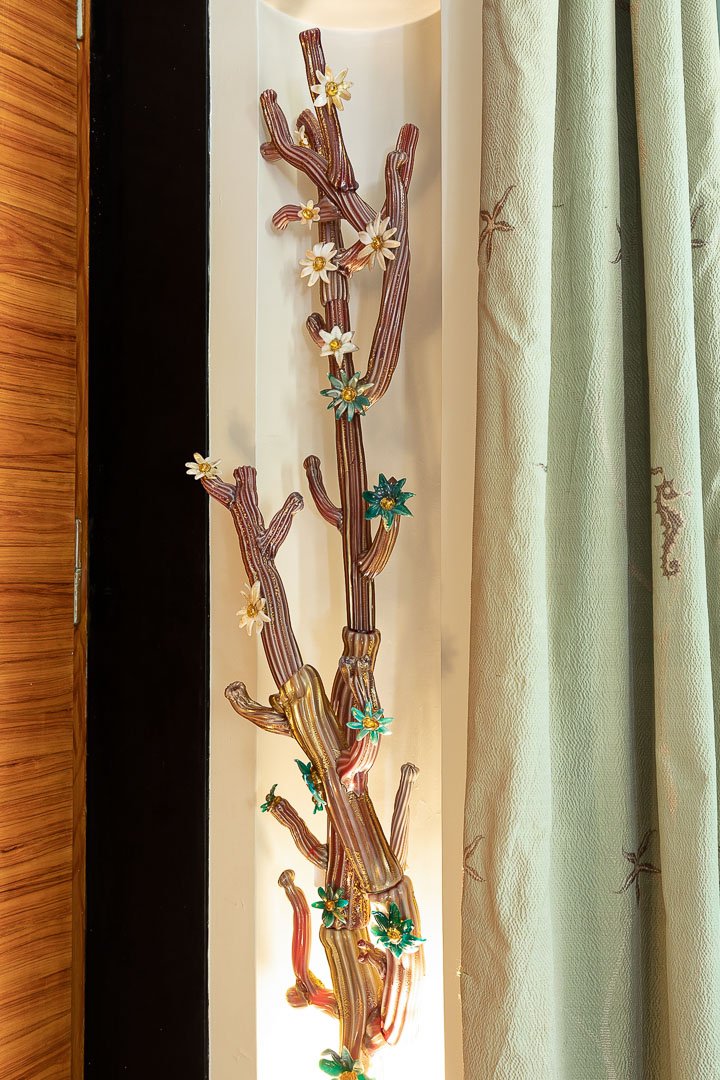
- The apartment’s two Cactus plants
-
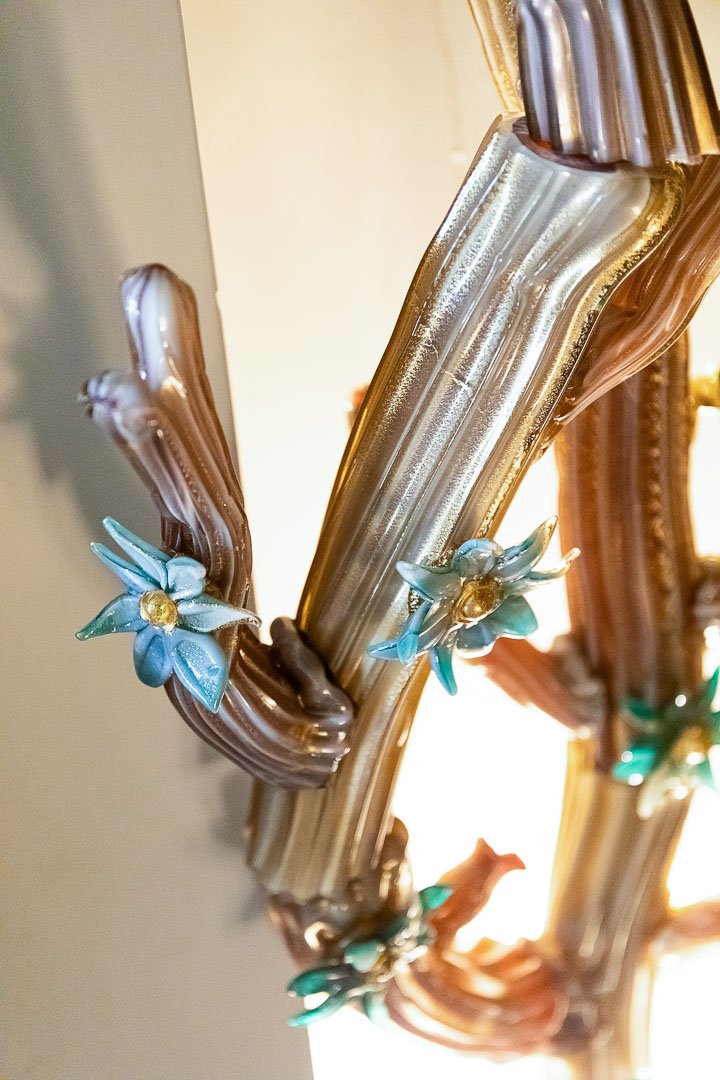
- The apartment’s two Cactus plants
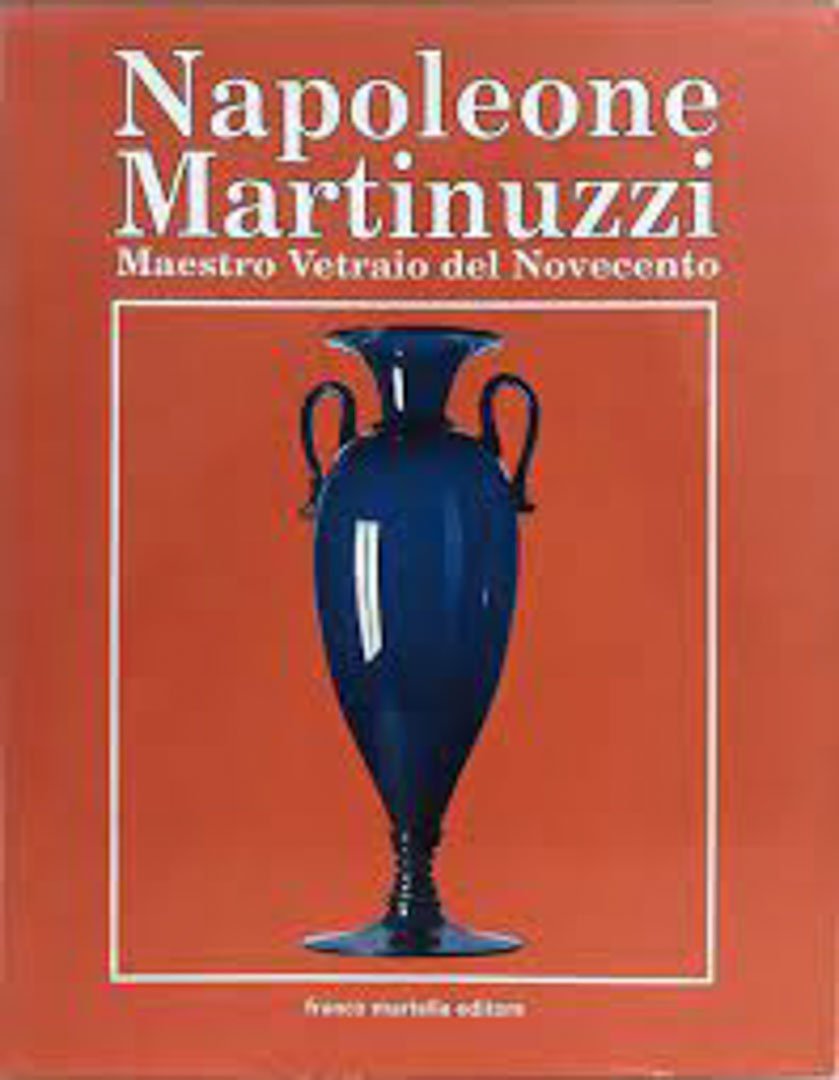
Sculptor, artist and entrepreneur in the glass-making industry.
Son of Giovanni and Amalia Fuga, both from master glassmaker families, he studied music, sculpture, ceramics and jewellery at the Accademia di Belle Arti in Venice and in Rome. He joined the Secessione Romana in 1914.
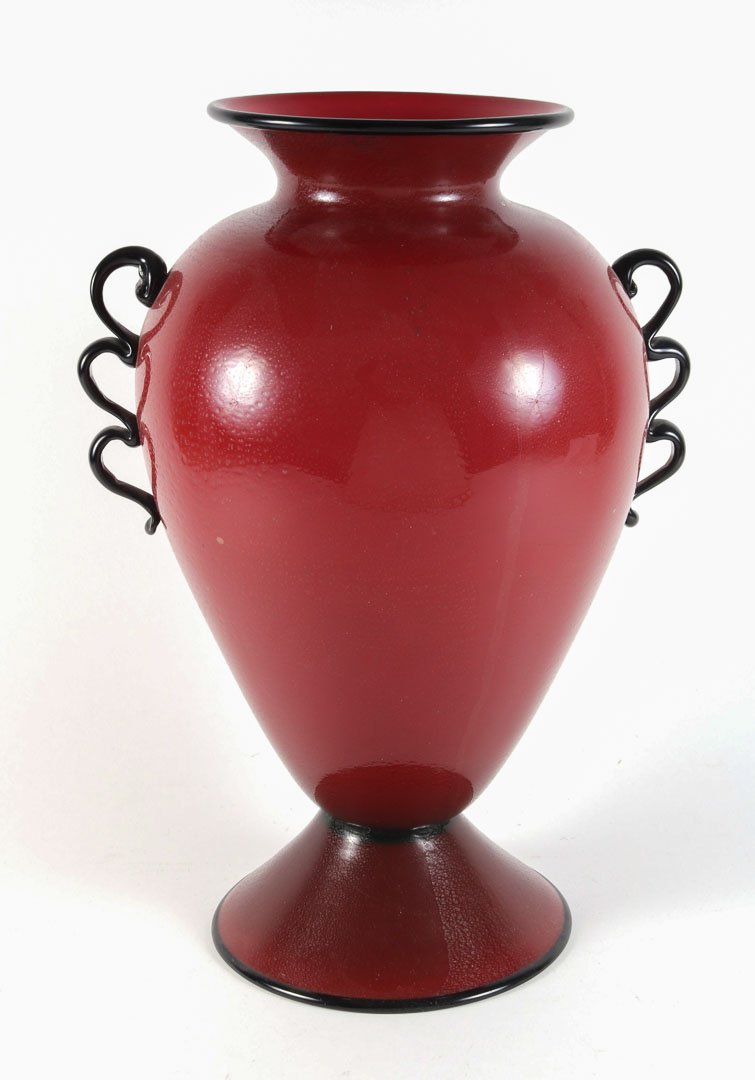
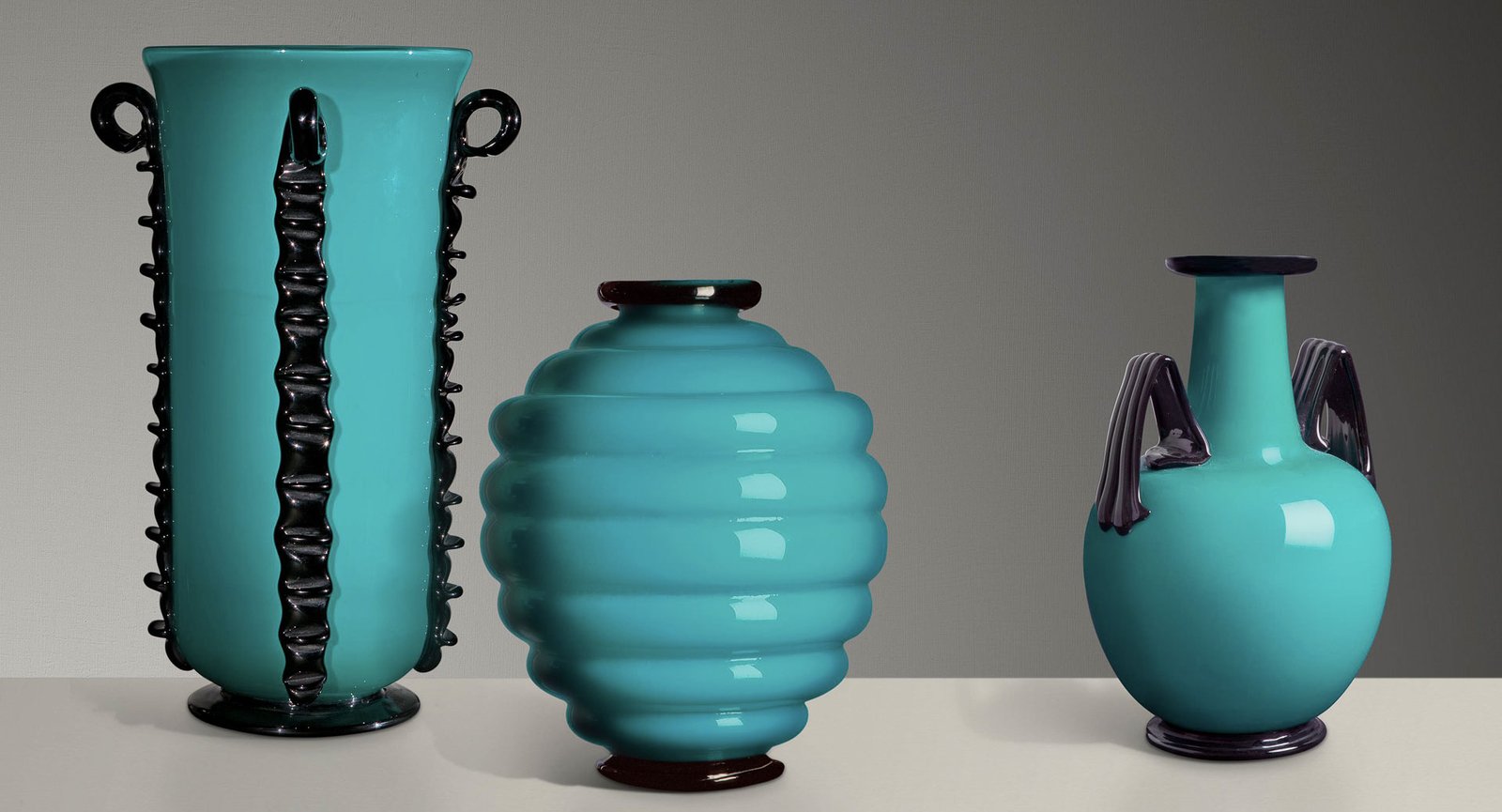
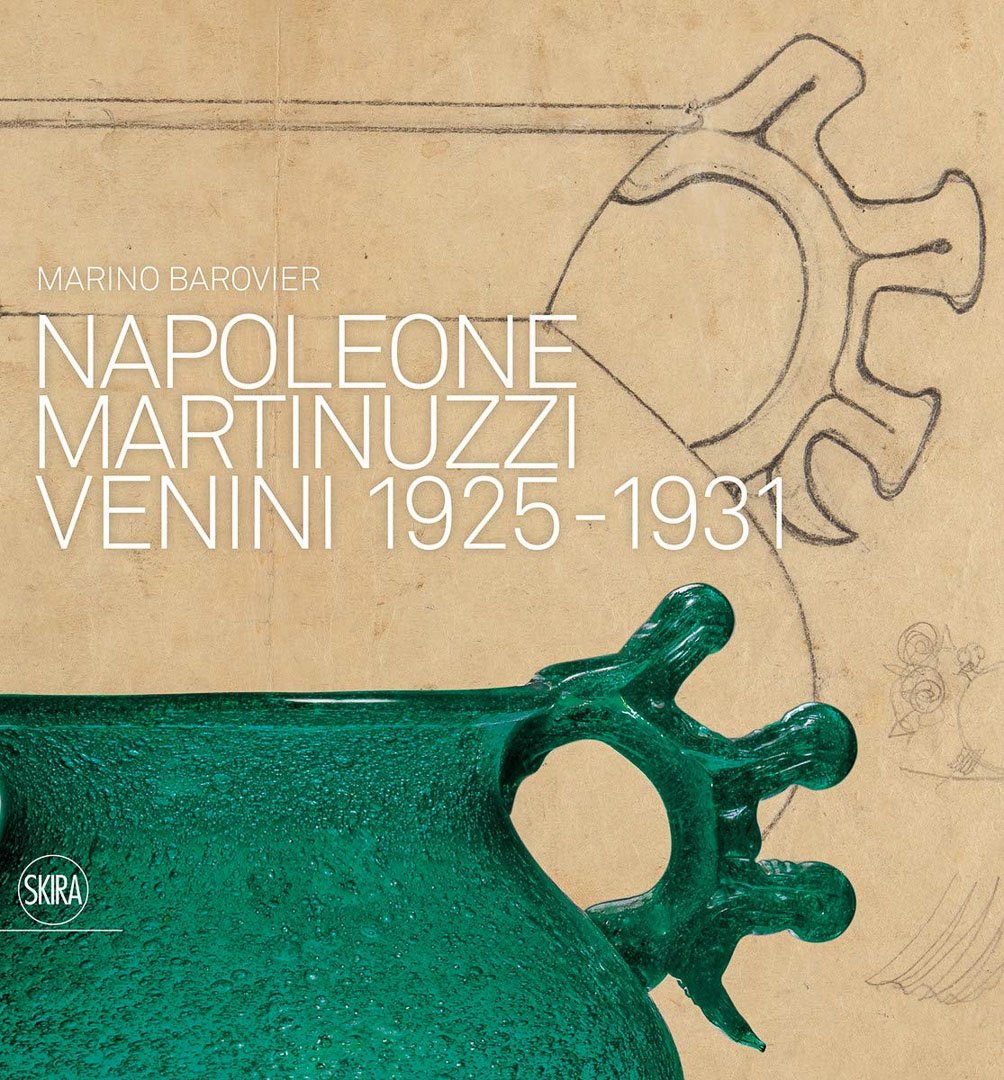
Beloved by Gabriele D’Annunzio, he started creating several works for the latter in 1917 and also planned a mausoleum, never realised. From 1922 to 1931 he directed the Glassmaking Museum in Murano and collaborated with Paolo Venini until 1932, when he founded Vetri Artistiche e Mosaici Zecchin Martinuzzi with Vittorio Zecchin, making extremely refined glassworks with a remarkable plastic effect.
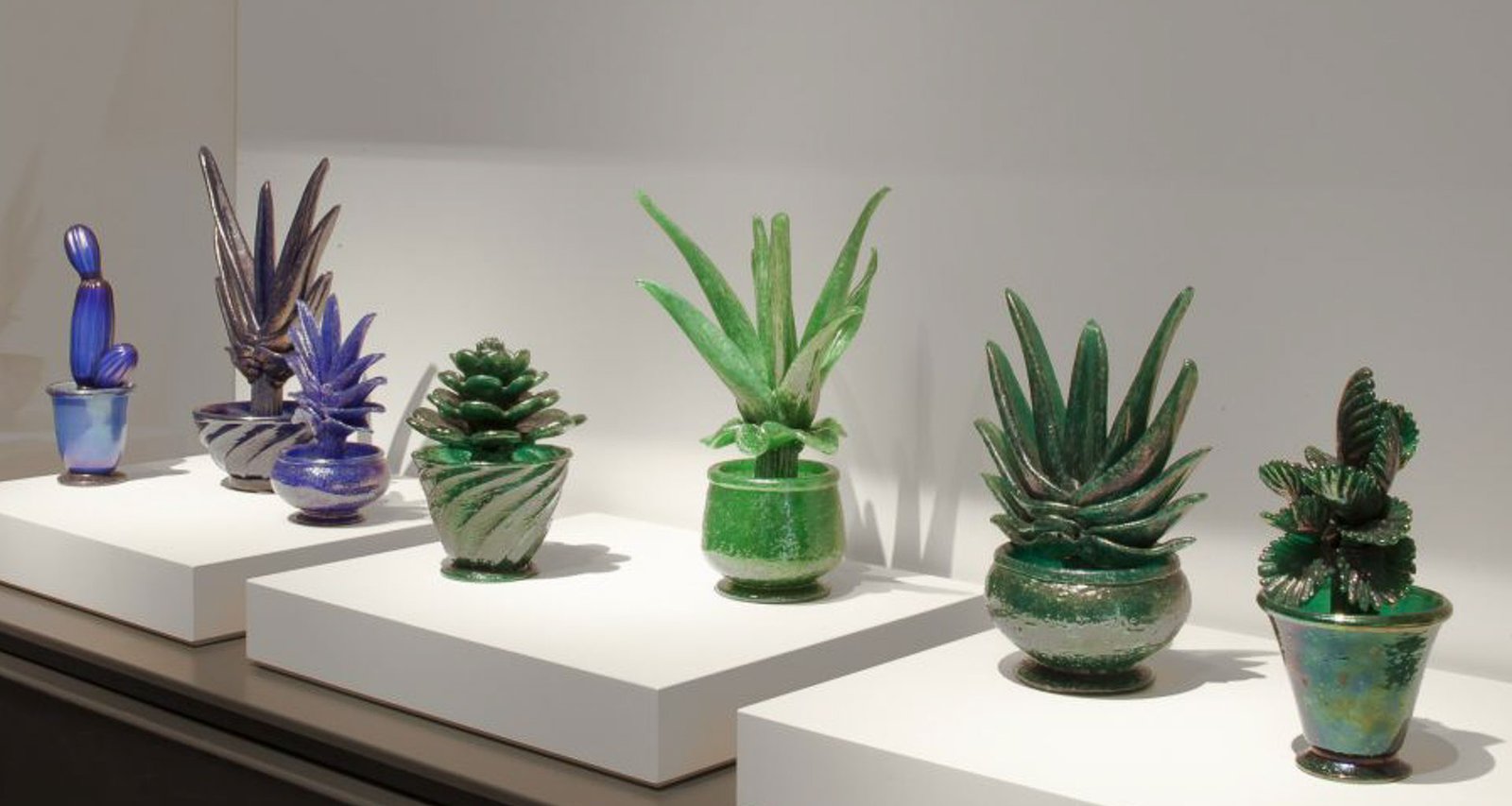
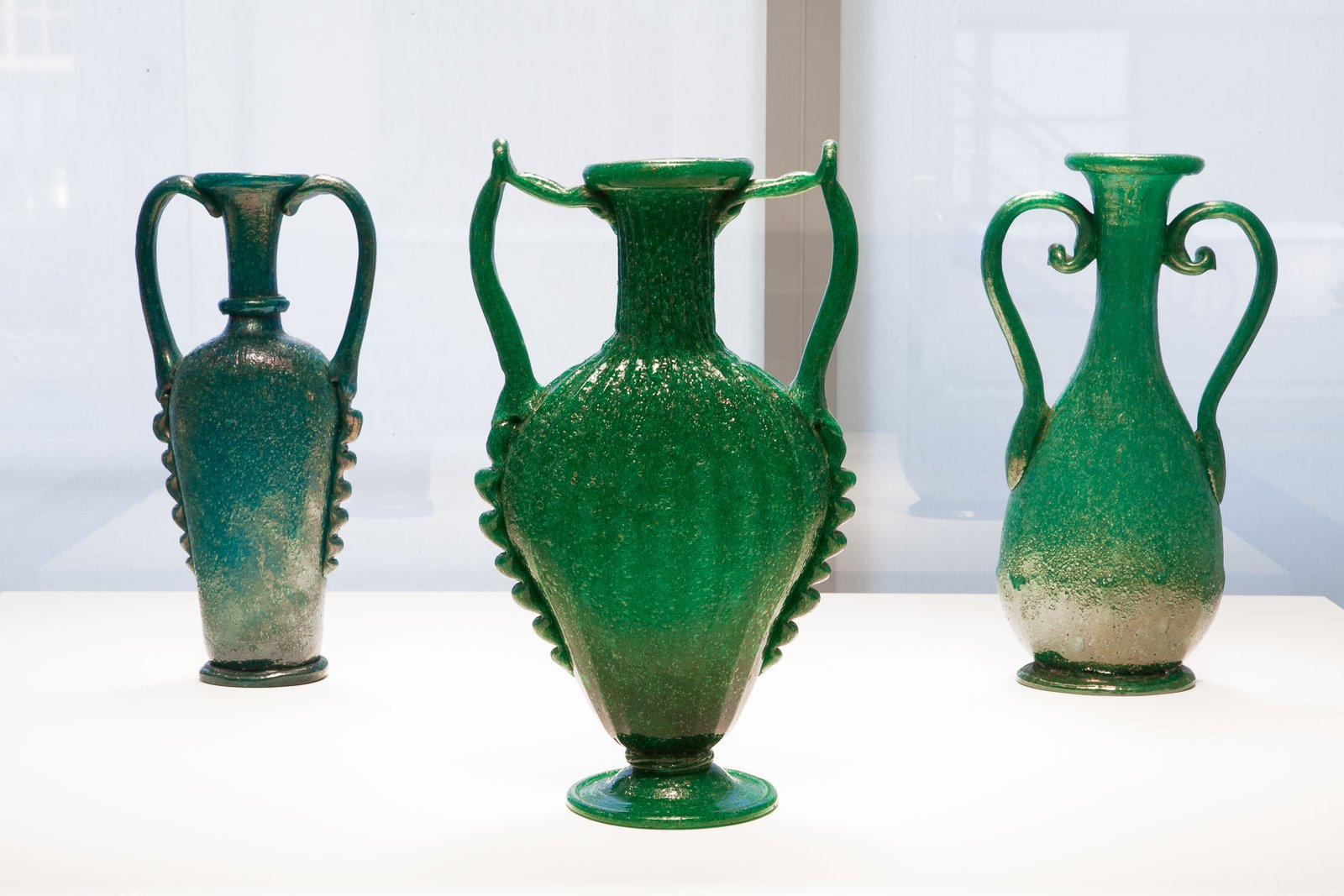
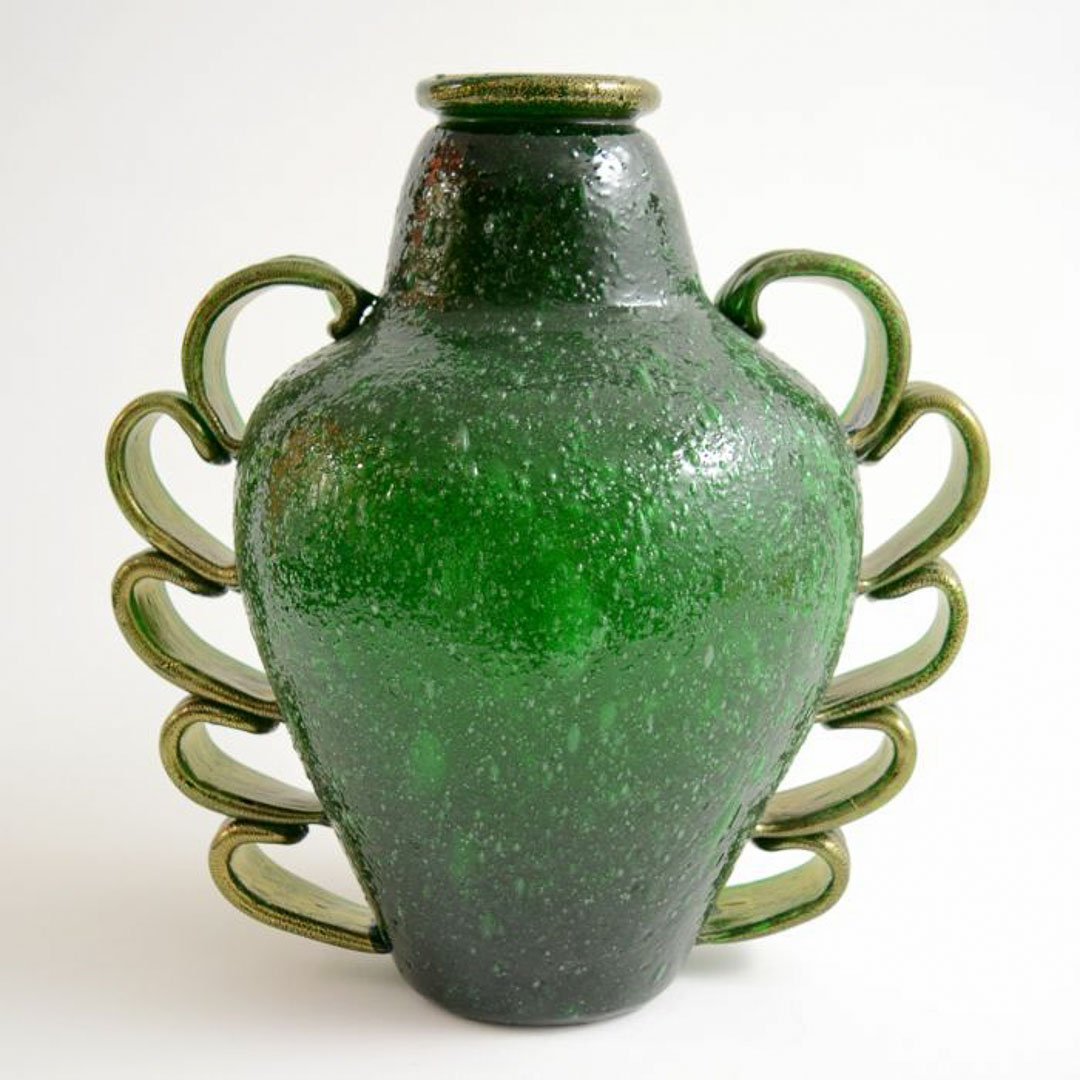
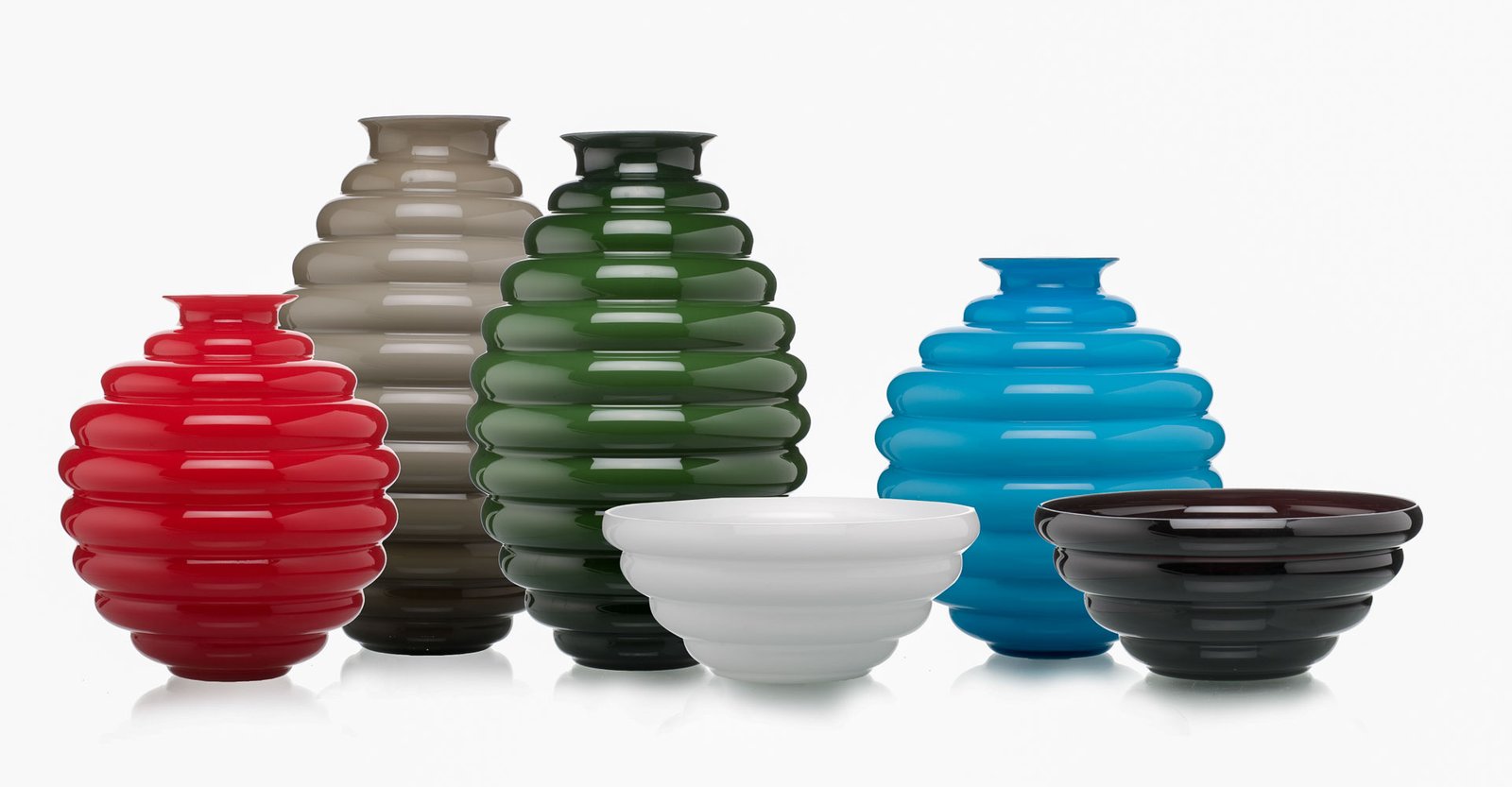
In 1928 he had a decisive stylistic change inspired by the Italian Novecento movement, inventing a new denser glass paste incorporating air bubbles, called pulegoso. He created his first decorative cacti and rubber plants in 1929 and in the 1930 Triennale he exhibited one in pulegoso glass.
He participated in the Venice Biennials of 1932 and 1934 and at the Milan Triennale V in 1933, exhibiting artistic glass objects created by his new company with Vittorio Zecchin. In 1934 he created four large succulents for the Royal Palace in Bolzano.
After 1936 he devoted himself exclusively to sculpting, presenting at the Venice Biennale the I vetrai al lavoro bas-relief. In 1942 the Biennale he had a room dedicated to him containing 15 of his works. In 1946 he obtained the commission for the Monumento dei caduti of Cà Foscari and resumed his activity as glass artist, also developing plastic glass research, funded by an American Foundation.
In the 1950s he became artistic director of A. Seguso’s Arte Vetro and then of Gino Cenedese e Figlio up to 1958.
He died in Venice in 1977.