

VITTORIO MORPURGO
-
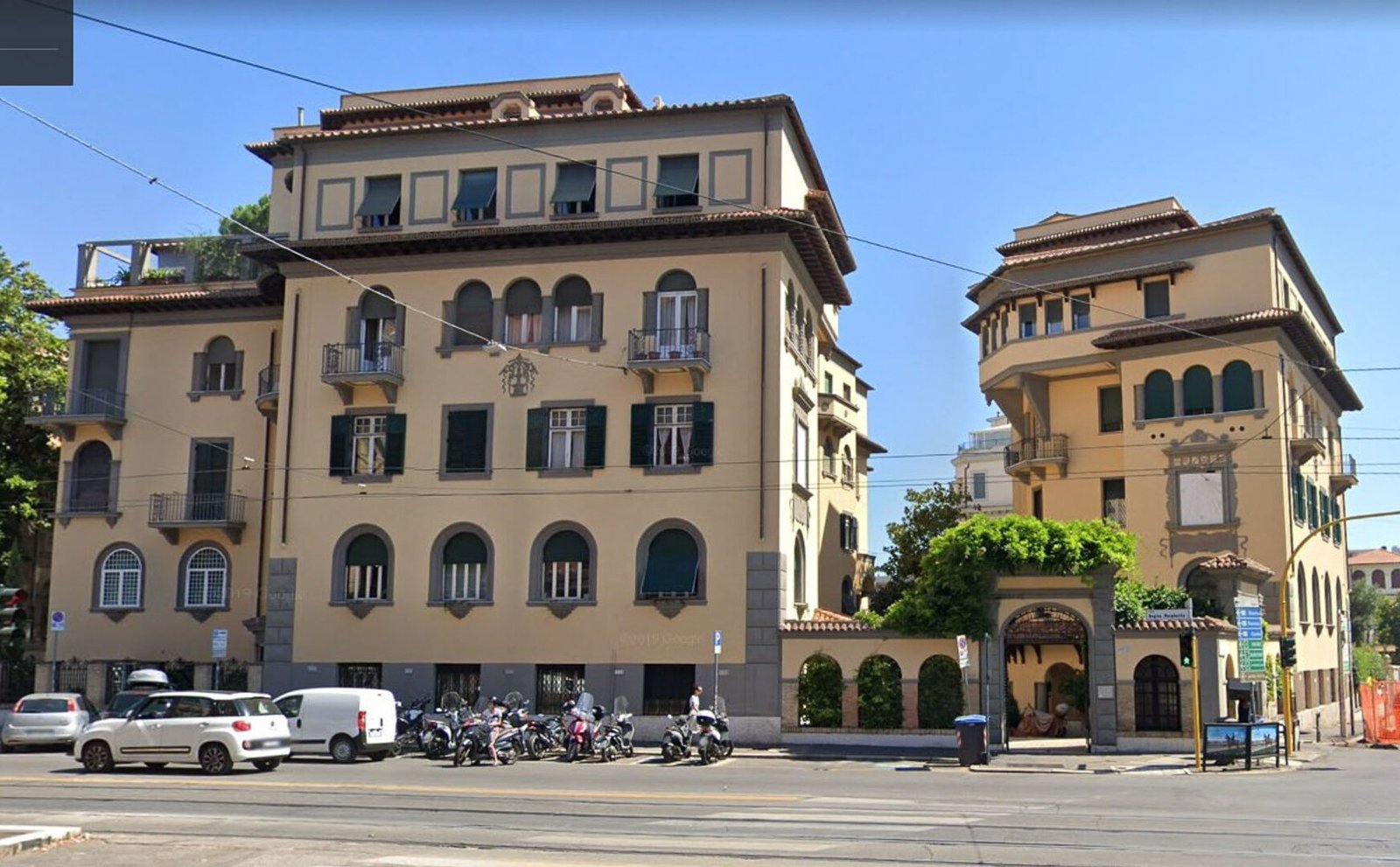
- Condominium Bldg in Rome
-
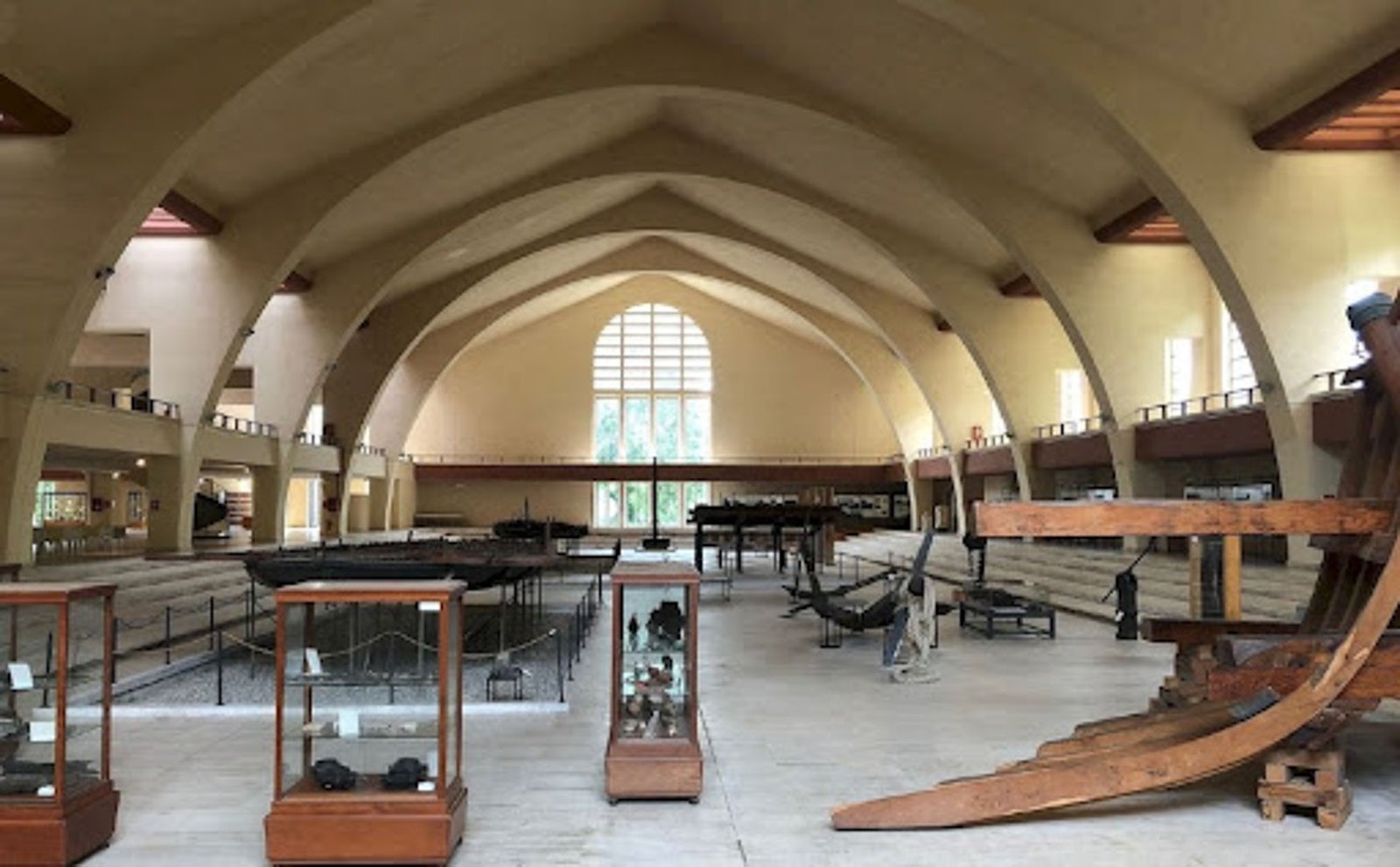
- The Roman Ships Museum in Nemi
-
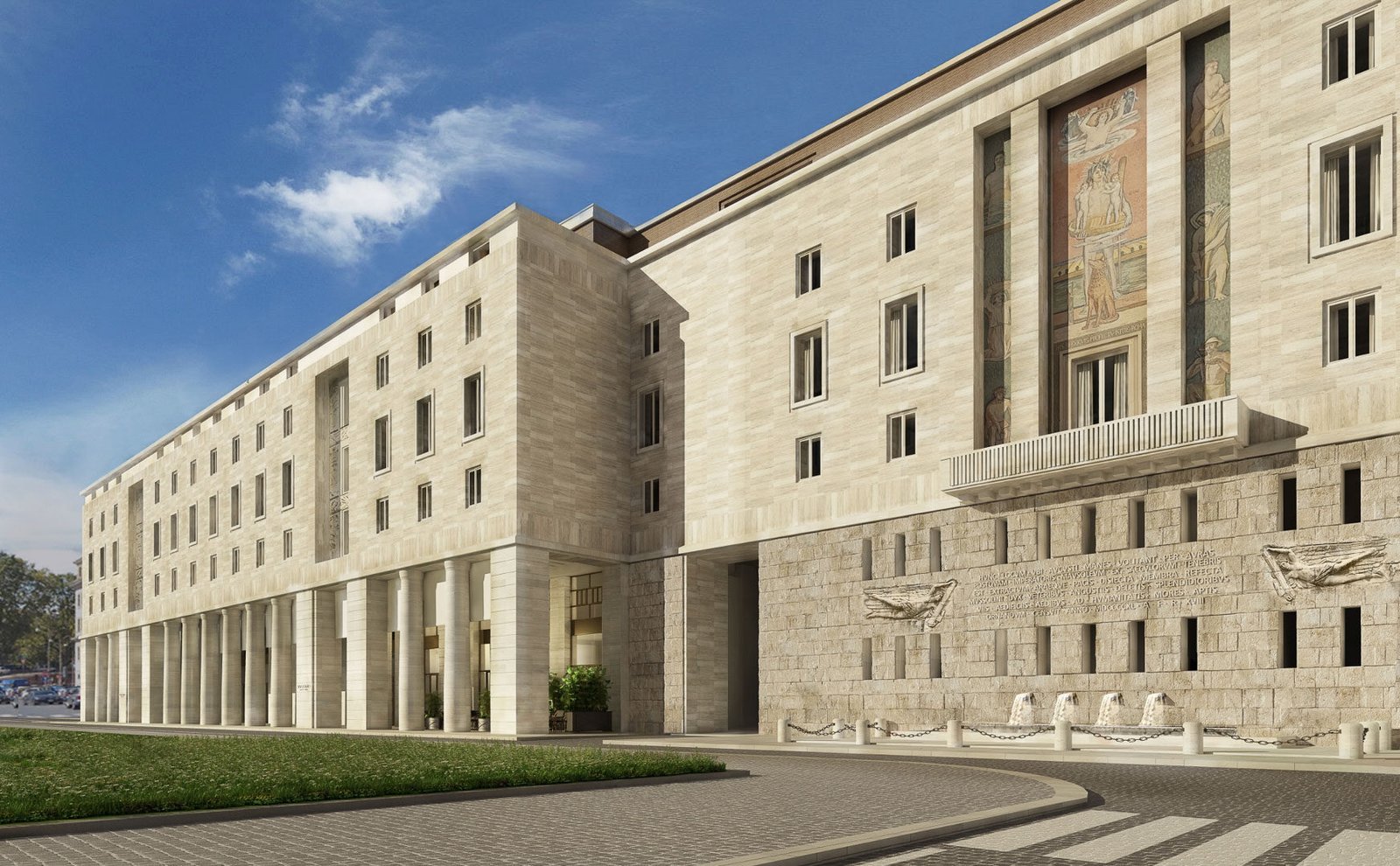
- The INA Blds in Largo A. Imperatore in Rome
-
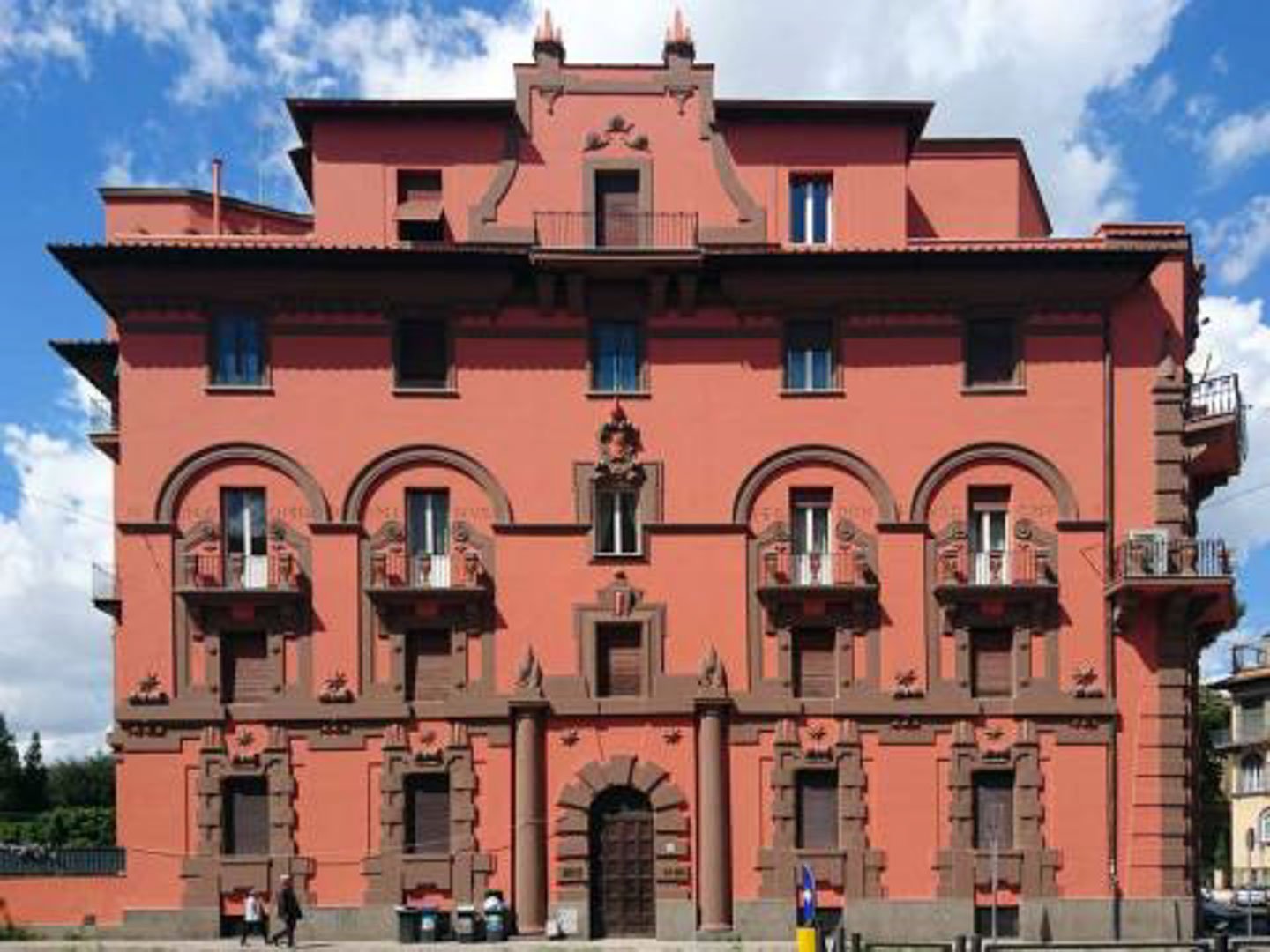
- A Condominium Bldg in Rome
-
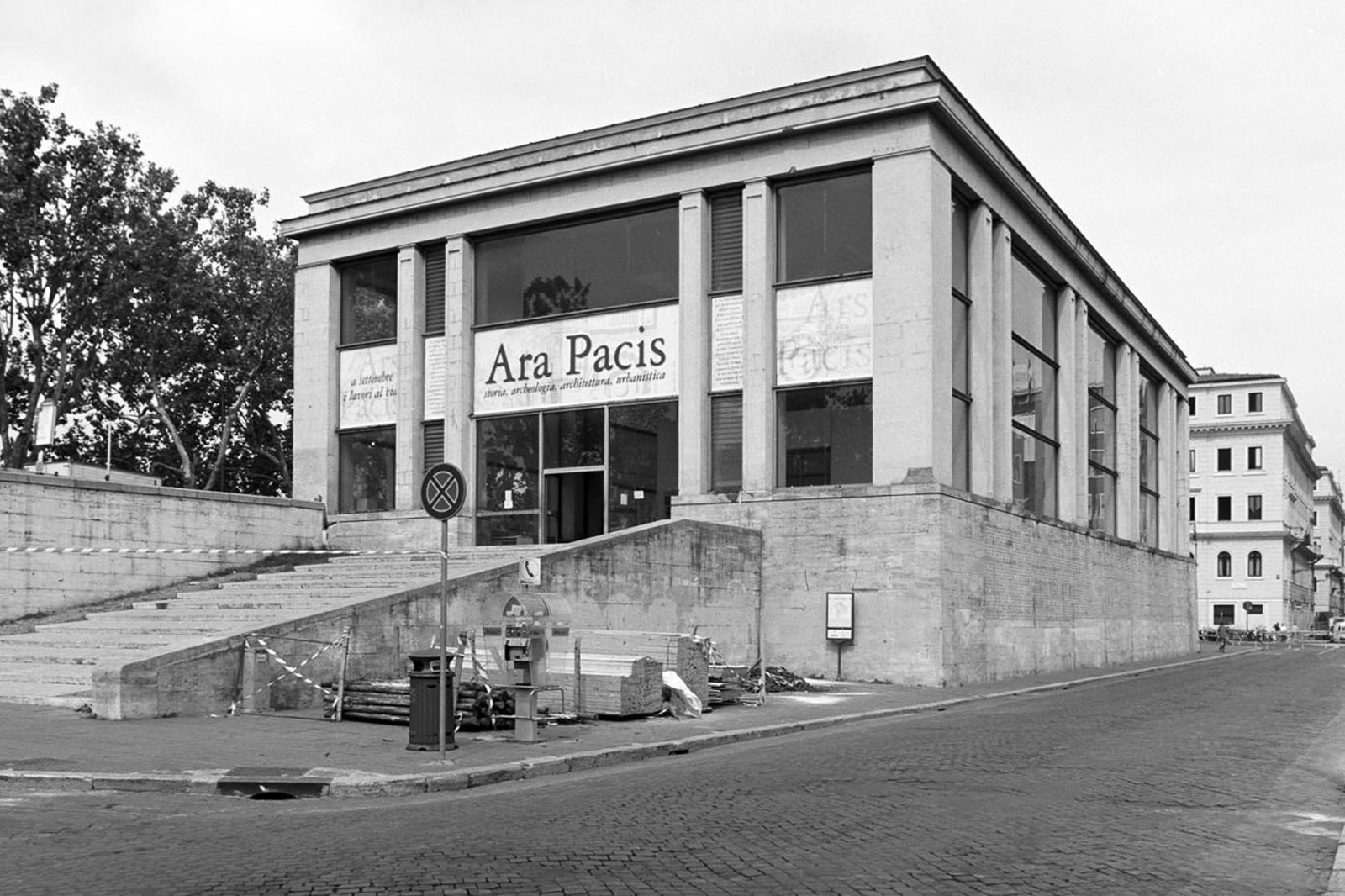
- The former Ara Pacis Theca in Rome
-
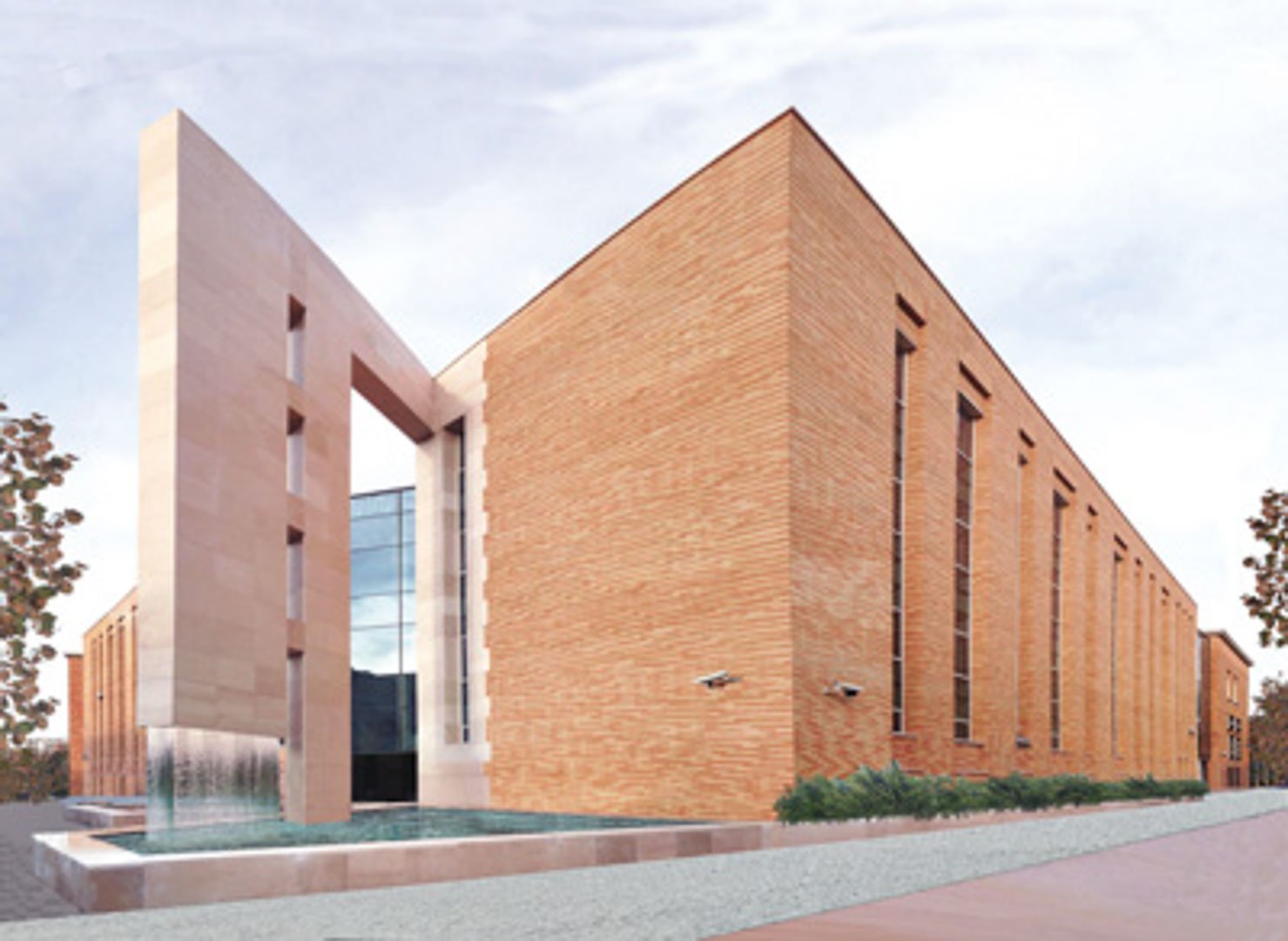
- The Albania Central Bank Bldg in Tirana
-
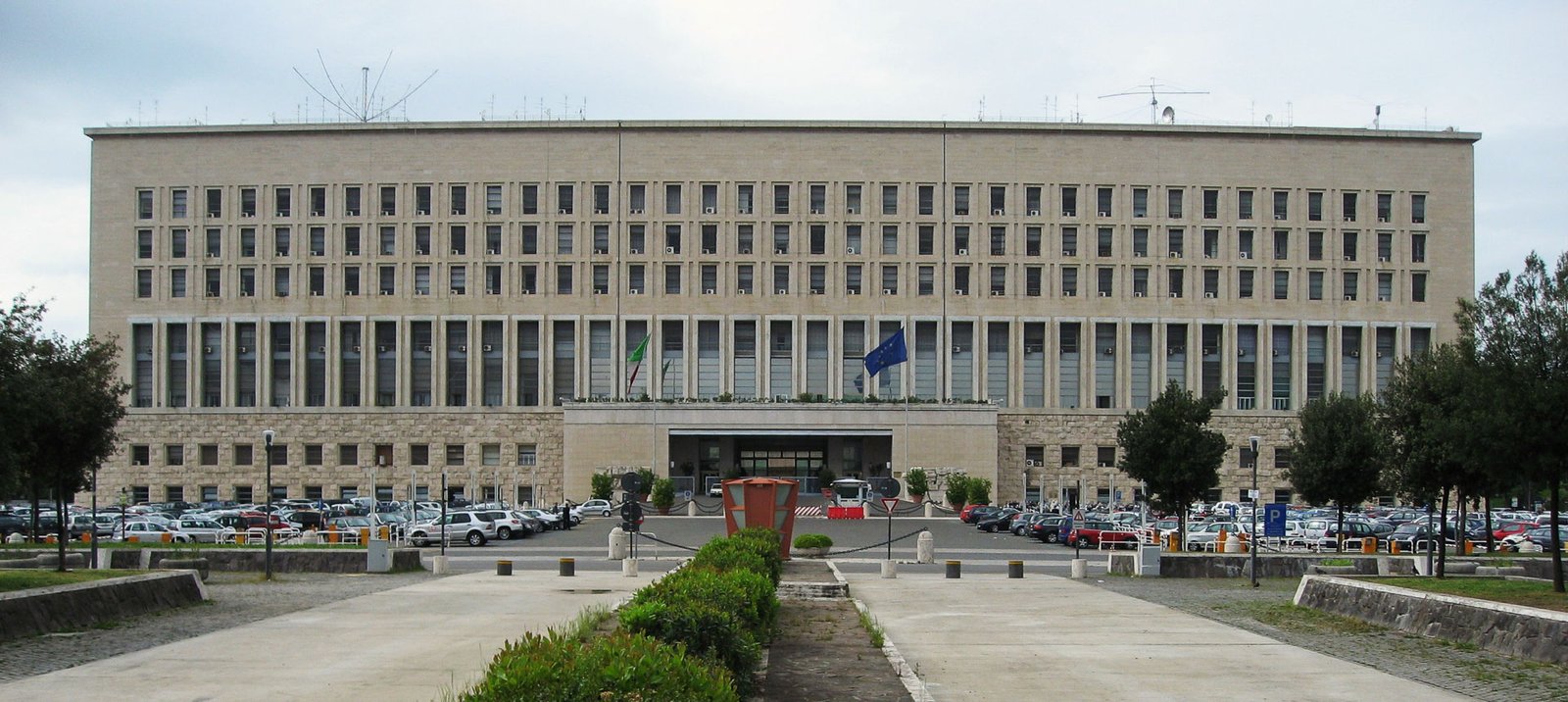
- The Italian Foreign Affair Bldg in Rome
Among the leading architects of the twentieth century in Italy and particularly in the period between 1920 and 1940, Vittorio Morpurgo began his career in the academic world. He became a prolific designer of important architectural works in Italy and abroad.
Student of Gustavo Giovannoni, he was his assistant at the Scuola di Applicazione di Ingegneria in Rome for the general architecture course until 1921, the year in which he organized, with the former and Marcello Piacentini, the Art Exhibition for the 50th anniversary of Roma Capitale. In the same school he was a lecturer on production management from 1922 and a senior lecturer on general architecture from 1927. In the Scuola superior di architettura in Rome he was then lecturer on interior architecture from 1930; he won the national competition in Turin in the same discipline (1936), continued with a full professorship until 1960, when he was appointed dean of the faculty of architecture in Rome, a position he held until 1963, three years before his death.
This intense academic career was accompanied by a fervent professional activity, initiated in the early 1920s. Significant examples of his representation of the Barocchetto romano style are, in Rome, works such as the Alatri villa in via Paisiello (1924-28), the Santi building in Borgo Angelico-via del Mascherino (1923-28), the group of houses in viale Regina Margherita-via Morgagni (1926-28) and the Telefonica Tirrena building in Via Sannio (1925-28), already showing the themes developed in his later works, such as the volumetric distribution and the varied brickwork in the outer facing.
At the end of the 1920s he carried out notable works in Varese, where he designed the Convitto civico, with decoration freely inspired by the Lombard 18th-century style, the Palazzo di Giustizia and the Casa del Balilla, in which Giulio Rosso’s paintings stand out in the cool, double-height living room.
He makes his mark in public competitions in Rome, including the one for the approach to the Vittorio Emanuele bridge (1924), a theme that reappears in 1930 in a joint project with Pietro Aschieri for the design of Piazza Aracoeli (1926).
In 1929 he participated in the Barcelona International Exhibition with the Albanian Società sviluppo economico pavilion, still linked to the vernacular. In 1930 he won second prize in the competition for the arrangement of the cathedral square in Tripoli.
In the Thirties, he well-established academic and professional career led him to receive numerous and prestigious positions. This was a period of maximum activity characterized by a distinct detachment from Giovannoni’s historicism and by a gradual approach to 20th-century cadences, in line with Piacentini’s precepts, interpreted with personal ideas regarding volumes, angular solutions and surface treatments, characteristics often overlooked by historiography.
He is the protagonist, with Enrico Del Debbio and Arnaldo Foschini, in the two competitions for the Palazzo del Littorio in Rome. In the first (1933-34) the two solutions presented by the group, with a series of openings in the continuous wall on Via dell'Impero, won the recognition of the jury, confirmed by the project for the new location on the Aventine Hill (1937), characterized by a T-system with a detached tower in line with it.
With Del Nebbio he planned the definitive headquarters of the National Fascist Party in the Foro Mussolini, later assigned to the Foreign Ministry.
Morpurgo’s success in the panorama of the regime’s official architecture, perfectly in line with Piacentini’s unadorned and modern monumentality, is sealed by the commission for the Piazza Augusto Imperatore project.
The tormented arrangement of this square began in 1934, pursuant to the 1931 town plan, ending only in 1952. The entire square surrounding the Mausoleum of Hadrian, with its fountain and the INA buildings on the two sides, were part of Vittorio Morpurgo’s lengthy and complicated project, together with the adjacent museum space of the Ara Pacis, which was to have been located in ten underground rooms. In 1938 Morpurgo suggested different solutions both for the placement of the altar and for the structure of the protective building, later carried out in simplified form.
In the same years he was involved in creating the Museo delle Navi Romani in Nemi (1934-40), where two rectangular twin bodies are joined by a central gallery with a gallery served by spiral staircases, plus a structure with a double series of reinforced- concrete arches, marked by a stylized tripartite propylaea, a theme then repeated both in the INA buildings in L'Aquila (1938-40), and in the Casa della Confederazione Fascista degli Agricoltori in Latina (1938).
A group of commissions in Rome in the mid-30s confirms his maturity. His skill in volume composition and his variety of connection solutions, such as square and curved portals in travertine with high-relief architraves sculpted by Francesco Coccia, emerges in the IRBS (Istituto romano beni stabili) buildings in via Antonelli (1936). He designed the MATER (Motori alternatori trasformatori elettrici) industrial building with stone finishing and sculptural elements also by Coccia, in via Capponi (1936-37, now demolished). In 1938 he carried out the challenging insertion in the orti Barberiniani of the complex of IRBS residential buildings, after the demolition of pre-existing buildings on the Vie Quattro Fontane and XX Settembre.
From 1920 to 1940 other significant Roman projects were those for the construction of the Palazzo della Meridiana (1926-1928), the Collegio degli Illirici for the Croatian Pontifical College of Saint Jerome (1934-1940).
Also active in Albania from the late 1920s, Vittorio Morpurgo designed the offices of the National Bank in Durazzo, Scutari, Valona and Còriza, characterized by hybridizations between neo-Renaissance and local styles, while in the monumental Tirana building (1938-41) the tall curved portico leads diagonally to the circular and domed space of the hall.
His closeness to Piacentini gained him success in Brazil, where the two collaborated on several projects for Count Francesco Matarazzo, such as the IRFM (Industrie riunite Francesco Matarazzo) building in São Paulo (1935-39) and drew up plans for the University of Brazil in Rio de Janeiro, in Boa Vista Park (1935-38), and for the Universidade comercial conde Francisco Matarazzo in São Paulo (1936-49), but both remained on paper.
In the post-war period, besides Brazil he also worked on projects for the International Exhibition in Haiti (1948-49) and for residential districts in Havana and Buenos Aires, participating with Piacentini in the competition for the reconstruction of the Opera House in Valletta (1953-54). Back in Italy, in 1950 he was commissioned to enlarge the Pantanella mill in Rome, where he designed the stereometric succession of the towers. He designed the church of St. Nicholas in Cosenza (1957-61), with its triangular beam roof, was leader in the INA-Casa di Savona planning in Torre Spaccata, Rome, (1958-60) and collaborated in Luigi Moretti’s project for the Esso-SGI buildings in EUR (1963-65).
Member of the Consiglio Superiore della Pubblica Istruzione (1962-65), he was awarded the gold medal for outstanding merits in education, culture and art (1962) and was appointed Grande Ufficiale della Repubblica Italiana (1966).
He died in Rome on 27 December 1966.
(partially taken from Enciclopedia Treccani)